


Applied Chemistry
Our Department comprises the three research groups of Chemistry and Biochemistry, Material Physicsand Chemistry, and Chemical Systems and Engineering, which are responsible for the research and education of graduate students. these three large research groups are broken into nineteen small research laboratories. Our Program covers biofunctional, inorganic, organic, supramolecular, macromoleculare, polymer, analytical, and environmental chemistry. We contribute to the development of novel nanofunctional materials, organic electroluminescence and photo-energy conversion devices, fuel cells, and other advanced functional materials. _rough this Program, we provide fundamental and advanced education in chemical technologies central to producing novel substances from the atomic and molecular levels.
Materials
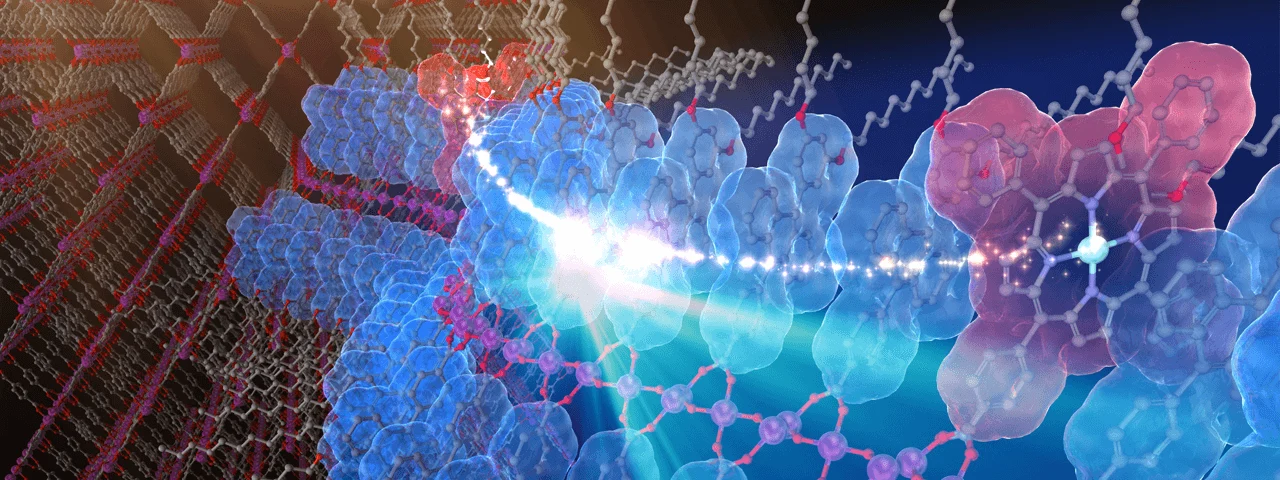
The study of materials science and engineering is fundamental for providing people with safety, security and reliability, and it is essential for the broad range of technologies that exist in the 21st century. Constant innovations and rapid advancements in materials are required to achieve the ultimate performance when solving environmental problems. It is clear that to achieve these improvements, the design and the fabrication of materials are the keys to the future. The purpose of our Program is to teach the fundamentals required for understanding the structures and properties of various materials such as metals, alloys, ceramics, semiconductors, and composites, and for developing advanced materials that are able to respond to future needs.
Chemical Engineering
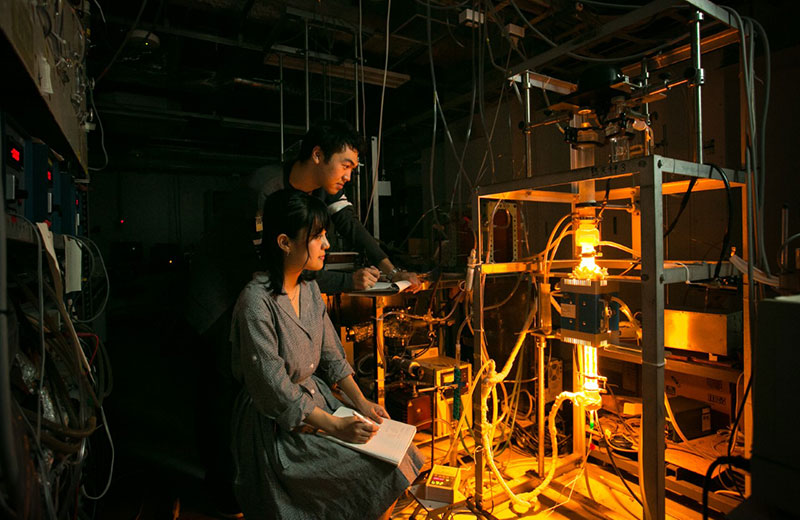
The Department of Chemical Engineering comprises the eight specialized fields of Physical Chemistry, Reaction Engineering, Biochemical Engineering, Mass Transfer Engineering, Thermal Engineering, Fluid Engineering, Equipment Design Engineering, and Process Systems Engineering. The central focus of Chemical Engineering is developing and improving manufacturing processes. Chemical Engineering is also responsible for the development of new materials such as biomaterials, electronic materials, and new catalysts, as well as their production technologies and highly advanced separation technologies. The scope of Chemical Engineering is expanding to various fields including human health, energy, and the global environment. Chemical engineers have achieved a high degree of success across many industries.

Civil Engineering
The Civil Engineering Global Course studies restructuring social infrastructure systems beyond traditional technologies for the deployment of advanced structural design and construction technologies, as well as increasing prevention of natural disasters through technology.
Naval Archtecture and Ocean
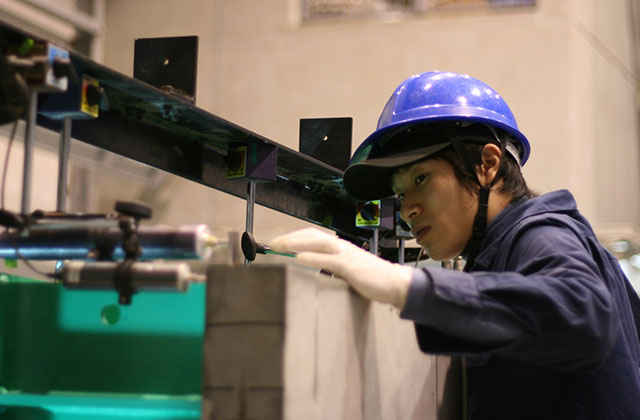
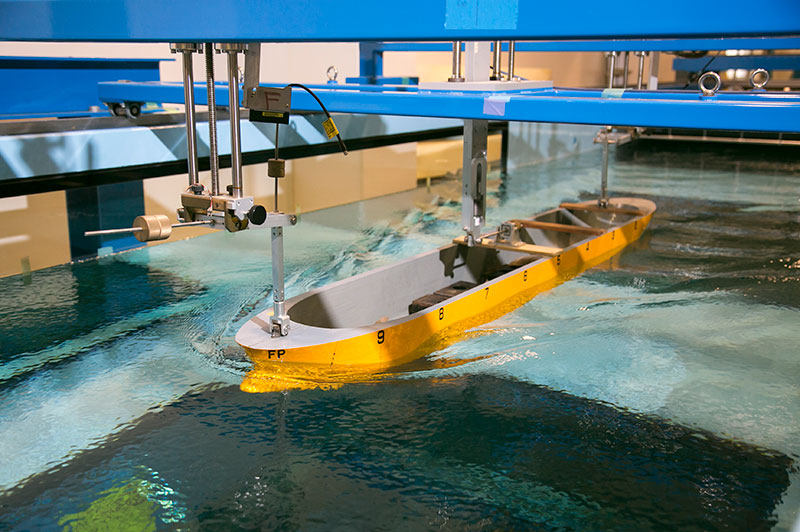
Naval Archtecture and Ocean Engineering is a growing field that studies and develops the technologies required to utilize the sea for purposes such as traffic and transportation, energy production, bio-resources, mineral resources, and space for living and storage. The key educational objectives of this Department is to convey knowledge of naval architecture, marine engineering, industrial engineering, and systems engineering, to train students so that they are able to make full use of this knowledge in an integrated manner, to propose a wide range of environmentally-friendly marine applications, and to develop associated technologies.
Earth Resources Engineering
Our Department consists of seven specialized laboratories: Economic Geology; Exploration Geophysics; Geothermics; Resources Production and Safety Engineering; Rock Engineering and Mining Machinery; Mineral Processing, Recycling and Environmental Remediation, and Energy Resources Engineering. This wide range of research fields covers the many technical and engineering issues that may arise at any stage of resource development, from exploration and production to remediation and recycling. Currently, our faculty members are engaged in the following research areas, all of which are related to resource development: predicting natural disasters such as volcanoes; utilizing ground heat; recycling valuable resources extracted from products and waste (urban mining); remediating contaminated groundwater resources; CO2 sequestration and more.
Applied Quantum Physics and Nuclear Engineering
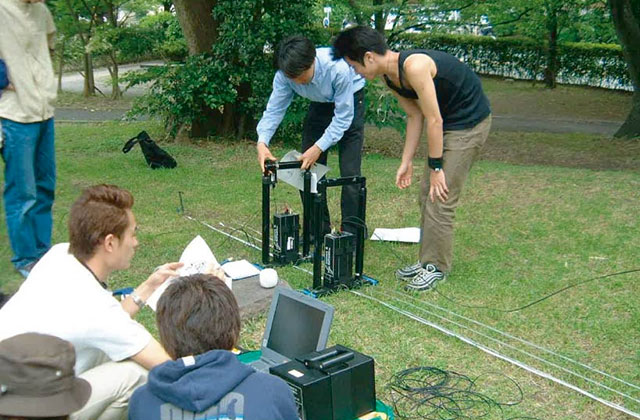
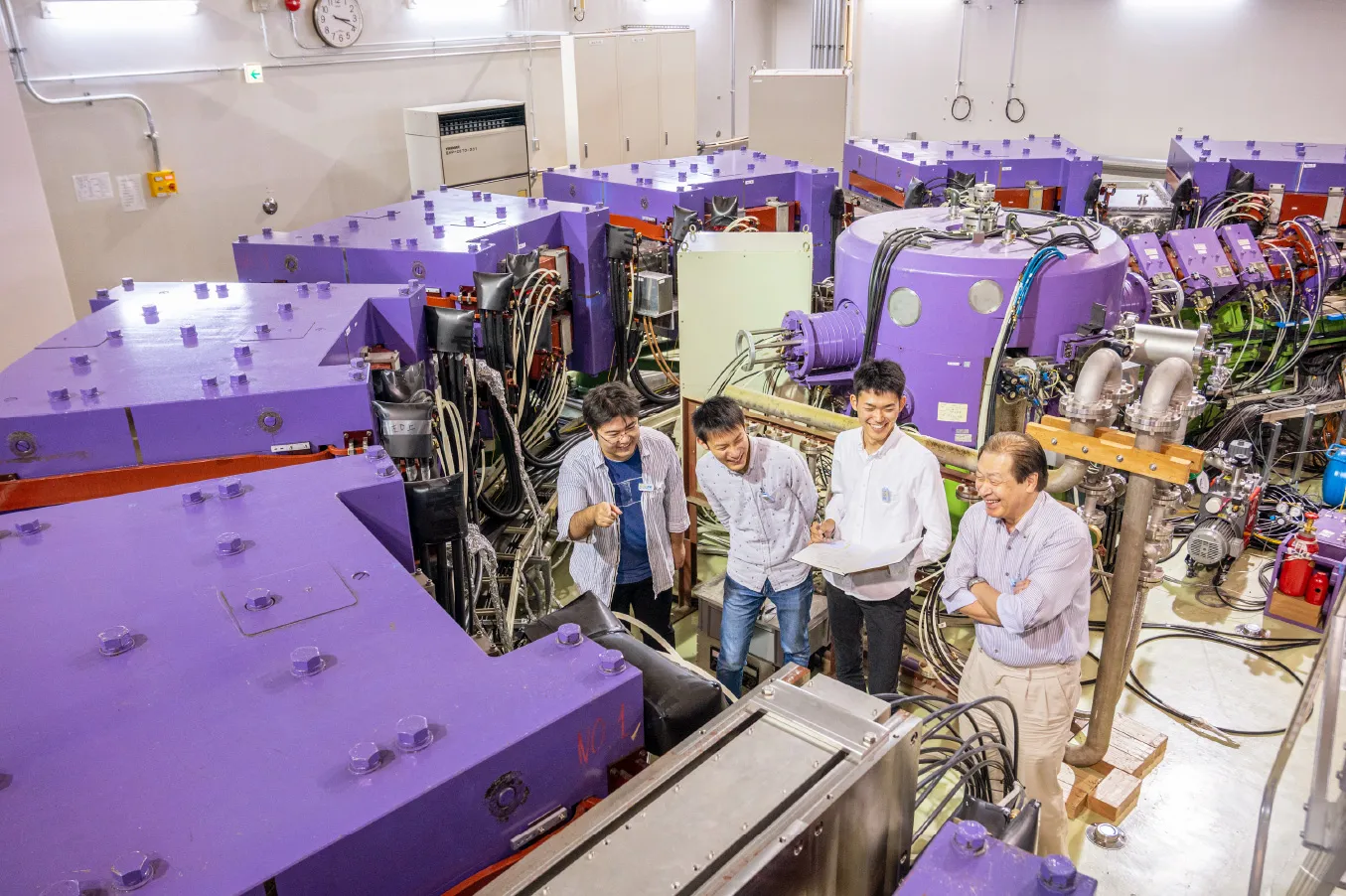
The Department of Applied Quantum Physics and Nuclear Engineering was established in April 1998 within the Graduate School of Engineering for the purpose of developing competent scientists and engineers who are able to .nd solutions to the issues of energy depletion and environmental pollution. Special research activities in the Department are being undertaken in the following areas:
1) the development of high-performance nuclear reactors;
2) the development of materials that enable the effective use of nuclear energy;
3) principles determining the generation and measurement of quantum beams; and
4) the physics of condensed matter and complex systems.
Mechanical Engineering
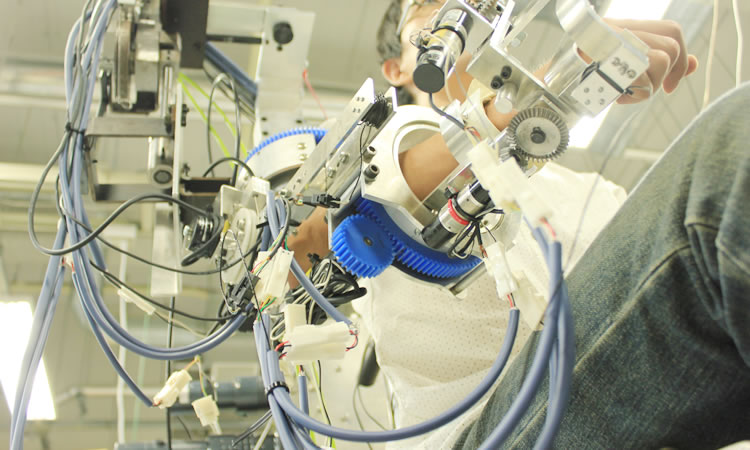
The Department of Mechanical Engineering aims to provide students with an unsurpassed opportunity to gain broad, substantial expertise and comprehensive skills in mechanical engineering, and also a fundamental knowledge of interdisciplinary areas that meet up-to-date requirements, so that graduates are able to go on to work as leading engineers and researchers. _e education and research fields cover several broad areas in mechanical engineering: material strength and design system; .uids engineering; thermal engineering; combustion; dynamics of machinery; control and systems; manufacturing processes; bioengineering; bio-medical .uid engineering. _is Program welcomes students from all over the world who wish to pursue an international career in the field of mechanical engineering.
Hydrogen Energy Systems
The Department of Hydrogen Energy Systems is the first graduate school department in the world with a focus on hydrogen energy. It aims to provide students with an unsurpassed opportunity to gain a fundamental knowledge of science and engineering in hydrogen energy technology and the relevant technologies for human and environmental symbiosis. The education and research fields extend from various fields in mechanical engineering to materials and process engineering related to hydrogen energy systems. The Programs welcome not only mechanical engineering students, but also students from other relevant science and engineering fields who, as engineers and researchers, wish to lead the way in building a low-carbon society.

Aeronautics and Astronautics
The Department of Aeronautics and Astronautics o.ers four specialized fields: Thermophysics and Fluid Mechanics; Aerospace Structures and Structural Dynamics; Flight Dynamics and Controls; and Space Systems Engineering. In addition, there are three fields from the Research Institute for Applied Mechanics. The academic fields in Aeronautics and Astronautics have the noteworthy characteristics of synthetic integrity, an understanding of engineering theories based on mathematics and dynamics, and realization based on natural science and scientific methodology. Education in the Department of Aeronautics and Astronautics pertains to these academic fields and has been successful in producing highly-capable, highly-committed, highly-specialized engineers and researchers in the field of Aeronautics and Astronautics.
