
Department Overview
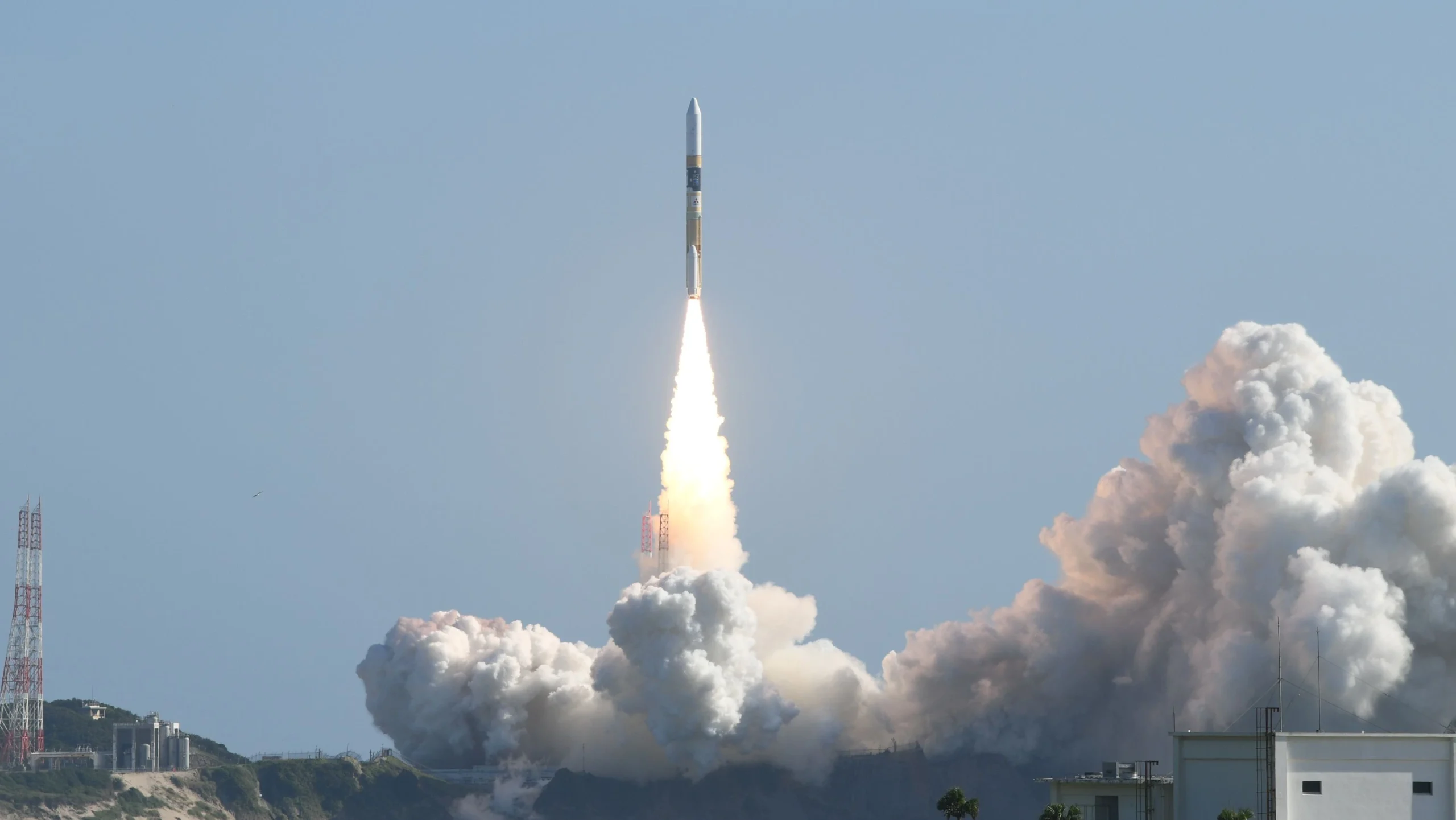
Aeronautics is the study of the science and technology of aircraft that fly in the atmosphere, such as passenger jets, drones, and aerostats, while astronautics deals with rockets and spacecraft that can fly in outer space, including satellites, spaceships, and space stations. Our department integrates many engineering fields to provide very broad knowledge and training so that the students can work as aeronautical and astronautical engineers at the highest level. These engineering fields include Thermophysics and Fluid Mechanics, Aerospace Structures and Structural Dynamics, Flight Dynamics and Controls, and Space Systems Engineering. We especially focus on training based on engineering-oriented thinking by application of mathematics and dynamics, with three notable features: 1) comprehensive ability, 2) mathematics-oriented approach, and 3) appreciation of natural science and scientific methodology.
What Do You Learn?
First, in the field of Thermophysics and Fluid Mechanics, students learn external flows around aircraft and internal flows inside engines, energy conversion from the chemical energy of fuel into propulsion power, computational and experimental technologies dealing comprehensively with heat and flow phenomena, and cutting-edge micro-nano technologies.
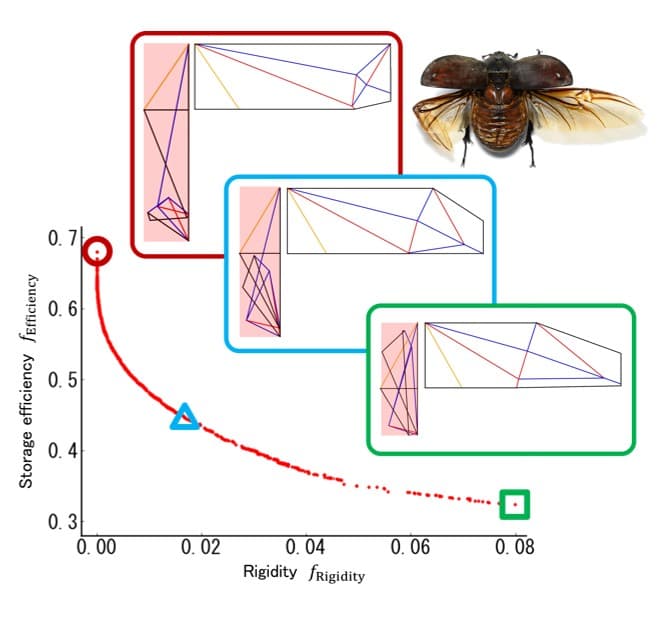
Second, the field of Aerospace Structures and Structural Dynamics develops lightweight structures with high reliability for aircraft, rockets, satellites, and space structures. Students learn structural dynamics, damage tolerance mechanisms of advanced composite materials, multi-material design, and fabrication processes including advanced additive manufacturing.
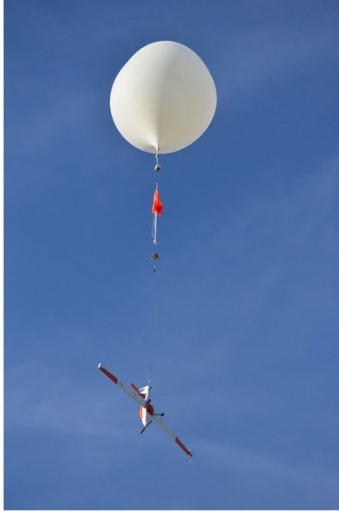
Third, the field of Flight Dynamics and Controls applies flight dynamics, autonomous control and optimization theories, and advanced control and imaging technologies to develop compact-sized unmanned aerial vehicles and robots.
Last, the field of Space Systems Engineering conducts wind tunnel and flight experiments and studies new propulsion systems for hypersonic flight, small-sized artificial satellites, aerodynamic heating during reentry of the spacecraft, and the orbital and interplanetary round trip travel between the earth and outer space.
Introduction Movie
Voices of Seniors
Department Policy
-
Educational Philosophy and Aims
The objective of the School of Engineering is to develop expert technicians and researchers to fulfill the responsibilities of engineering to society. Because of the wide-ranging effects of engineers on society, engineers not only require special knowledge in their respective fields, but also an understanding of ethics in engineering, a profound cognizance and perception of humanity, and a broad education about the environment and the role of human beings within it. To participate in international society it is necessary to realize and understand the multiplicity of cultures, and to respect other people’s beliefs and ideas. It is also important for engineers to hone communication skills in order to acquire practical and technical proficiency, and to cultivate logical thinking ability, planning skills, perseverance, leadership ability, and physical strength.
In keeping with this view of engineering’s responsibility to society as a whole, the Kyushu School of Engineering programs include both compulsory and elective courses which strive to educate our engineers to become leaders in their fields. Our students are expected to acquire the following during their four-year program:
- Basic knowledge of mathematics and natural science necessary to be a technician in each area of expertise
- A desire to continue lifelong studies, and to keep pace with future changes in each area of expertise
- Management skills as a technical leader in each area of expertise
- Ability to implement science and technology while considering the effects on the economy, society, and the environment
- Ability to understand the role of technology and realize an engineer’s responsibilities to society
- Communication and presentation skills in Japanese and other languages
- Ability to comprehend and respect other people’s opinions and ideas, and to communicate own ideas and opinions
- Wide point of view to realize the multiplicity of cultures and understand and respect other people’s beliefs and ideas
- Wide knowledge of human nature and society, the global environment, and technology
- Basic physical strength necessary to act as an engineer or researcher
Engineering and technology will continue to assume an increasingly greater role in the world. It is our hope that our students will gain a wide range of knowledge and skills in becoming engineers who proudly carry the responsibility and commitment of working towards the betterment of society.