
Department Overview
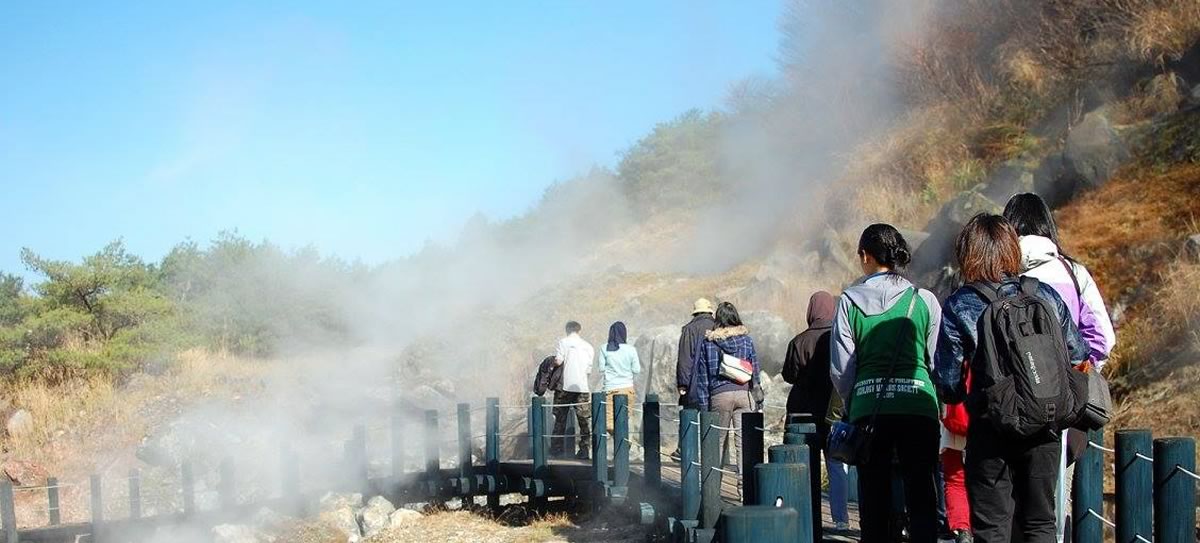
Joint Program for Sustainable Resources Engineering was adopted as a Special Expenditure Project by the Ministry of Education, Culture, Sports, Science and Technology. In this project, in order to cultivate human resources who can contribute to Japan’s resource strategies, education and research departments in resources engineering at Kyushu University and Hokkaido University aim to jointly establish a new collaborative education program in 2017. This is the first of its kind in the resources engineering area among universities in Japan.
Educational Aims
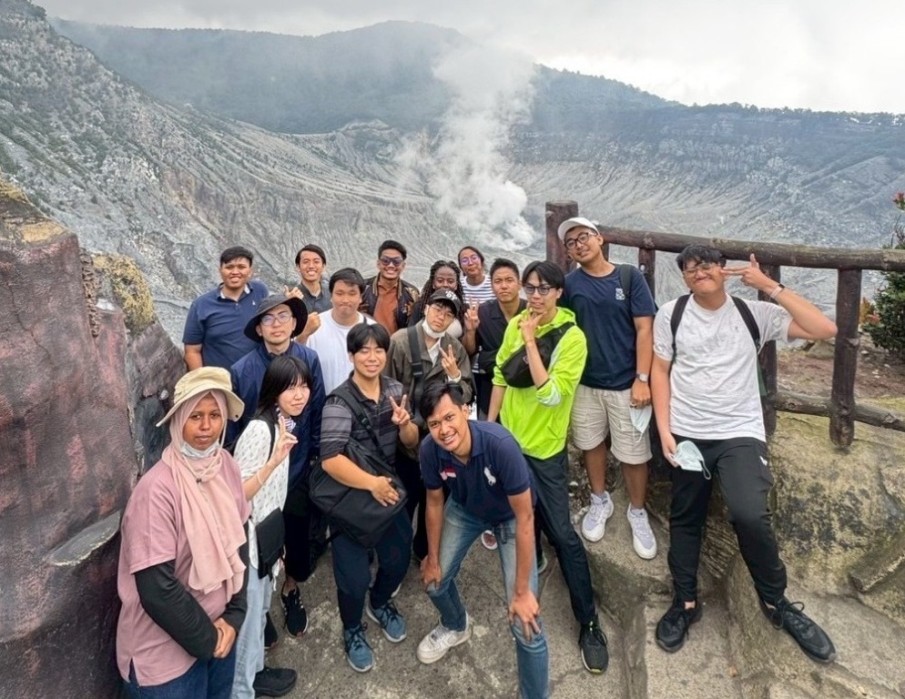
This course aims to develop more excellent human resources in terms of the three following points: (1) to be internationally minded, (2) to be able to get an overview of the resource flow, and (3) to be capable of designing and managing.
Policy
-
Admission Policy
1. Learning the wide-ranging knowledge of resource engineering
2. Abilities to design and manage resources development in consideration of international politics and economics
3. High international perspectives
4. Intercultural understanding
-
Curriculum Policy
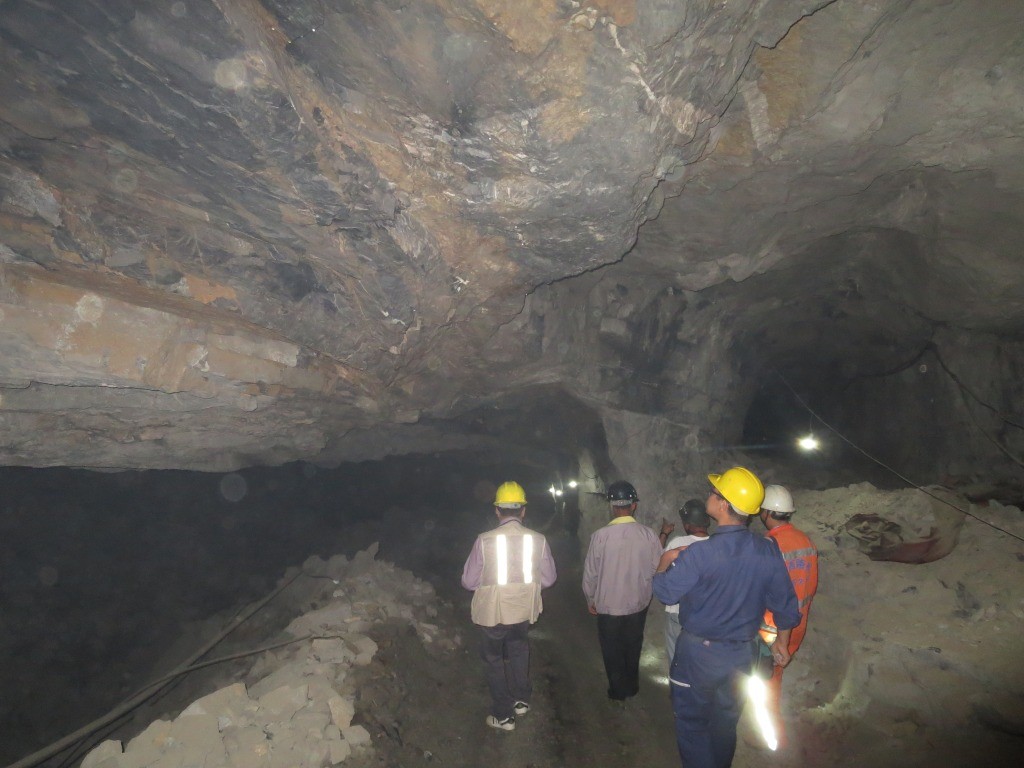
The Cooperative Program for Resources Engineering provides special courses such as ‘international field exercise,’ ‘graduate school exchange seminars,’ ‘resource management Ⅰ and Ⅱ,’ and ‘human resources exchange seminar.’ The ‘international field exercise’ enhances internationalism through an opportunity to stay at foreign companies and institutes. The ‘graduate school exchange seminars’ enable students to extend their field of view by taking the courses provided by Hokkaido University. The ‘resource management Ⅰ and Ⅱ’ instruct designing and management skills for resource engineering projects. The ‘human resources exchange seminar’ facilitates discussions regarding resources and environment based on deep understanding of social, cultural, and historical backgrounds at specific countries and areas. Each student belongs to one of the laboratories and addresses a study project to complete his/her master thesis under supervision by a professor enrolled in this program.
Education and Research Fields
Researches
The Cooperative Program for Resources Engineering covers a wide range of educational and research fields related to Earth resources and the environment, from upstream to downstream processes. The laboratories in this program are as follows:
Cooperative Program for Resources Engineering
Economic Geology
Exploration Geophysics
Geothermics
Resources Production & Safety
Rock Engineering and Mining Machinery
Mineral Processing, Recycling & Environmental Remediation
Energy Resources Engineering
Educational Philosophy and Aims
-
1. Educational Objectives of Kyushu University
The Kyushu University Educational Charter abides by the following principles: “The Principle of Humanity”, “The Principle of Social Responsibility”, “The Principle of Global Citizenship”, and “The Principle of the Advancement of Knowledge”. Through the education of individuals capable of leadership in a diverse range of fields in Japan and willing to assume an active role in the world, especially in Asia, Kyushu University aims at contributing to progress throughout the world.
-
2. Educational Objectives of the Graduate School of Engineering
Given Kyushu University’s position as a foremost graduate university, the central aim the Graduate School of Engineering is to be a leader in the advancement of industrial technology in Japan. We endeavor to provide an education framework which nurtures talented individuals who possess outstanding professional and comprehensive abilities to assist the continuous development of human beings. To achieve this goal, in adherence to the Kyushu University Educational Charter, the Graduate School emphasizes research and problem-solving skills, and develops creative-thinking ability.
-
3. Objectives as of Mid-Year
Summary
(1) Educational Aims
We address morality, responsibility to society, and internationalism, and we develop creative-thinking skills while stressing professionalism combined with comprehensive knowledge
After program completion we aim to improve our students’ rate of admission to the last half of doctoral programs, their pass rate for national exams, and their employment rate in the types of industries, corporations, and institutions which fully display the skills acquired through their studies.
We employ an evaluation system to assess the achievements of students of the Graduate School, and we allow for assessment from outside sources. Additionally we employ evaluation of our educational processes by a third party, and conduct presentations of research results at international conferences.(2) Curricula Objectives
Our curricula are designed to provide the skills necessary to become researchers and top-level professionals.
Our curricula objectives and methodology are made transparent for the purpose of constructive feedback. We adjust our programs and lecture content to reflect the opinions and suggestions of our students.
Our educational methods are analyzed based on their contributions to society, the results of projects, and the quality of theses and research activities.
We establish achievement goals and maintain a record of appraisal for each subject and publish the information for students’ perusal.
We clearly document and publish our processes and evaluation systems in regard to examinations, and masters’ and doctoral theses.(3) Support Structure
We establish a framework to improve program majors, curricula, and our overall system of education. We employ experienced teachers who are assigned to their respective areas of expertise. We also incorporate laboratory work and a full educational support system which includes the use of Teachers’ Assistants (TA’s).
We maintain an internship system to provide practical experience.
We maintain a supportive educational environment including students’ offices, laboratories, resource books and materials, and information media which allows for the adaptability of our campus to future trends.
We adhere to an inspection and evaluation system of operations and academic staff by third parties. The results of these evaluations and related recommendations are used to improve the overall quality of our programs and educational processes.(4) Support of Graduate Students
We maintain a system which allows for daily consultation and advisement.
We have established a counseling room, placement officers, as well as a comprehensive job information system.
We provide financial assistance to graduate students.
We provide support services for international students, and continuing education students.(5) Additional Objectives
We endeavor to work closely with local communities and initiate projects to provide continuing education programs to working individuals.
We have established a system of cooperation between government, industry, and academia to provide internship training opportunities for graduate students.
We promote our International Special Course on Environment Systems Engineering, and foster cultural academic exchange with universities in other countries. We have also developed an effective system of remote international education.
We encourage international exchange in every area of expertise, and support international research meetings.