
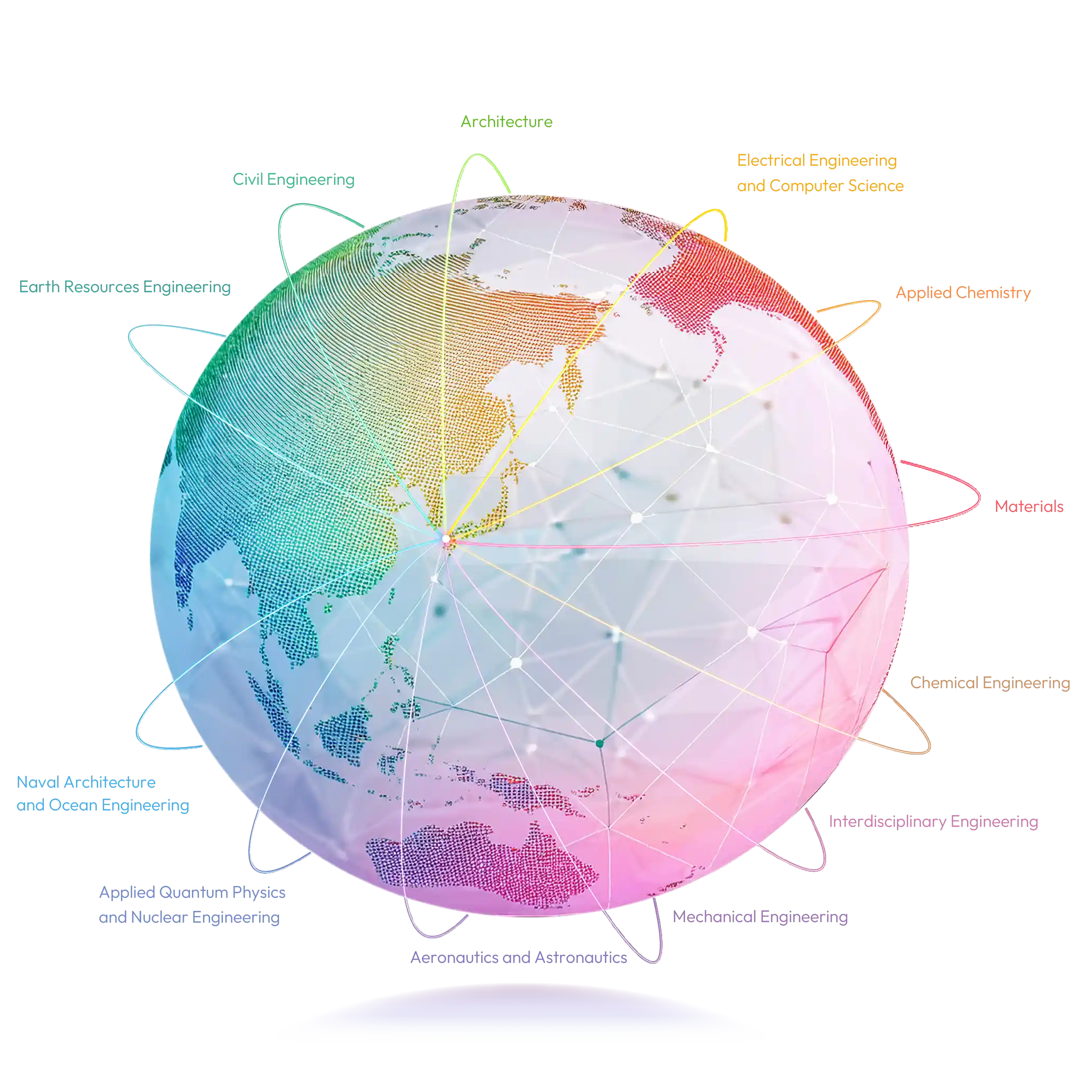

Department Overview
From steel to semiconductors and energy materials. Learning to unlock infinite possibilities from 118 elements.
Our society has beautifully evolved alongside the discovery of new materials, each one opening doors to new possibilities.
Steel helped support the era of mass production, while high-strength metals expanded the world of automobiles. Duralumin made flight technology possible, and semiconductor materials became the backbone of smartphones and IoT devices—just a few inspiring examples. From just 118 elements, we’ve created such a diverse and innovative range of materials.
Today, Japan is once again at an exciting crossroads where ‘materials science’ truly becomes essential. As a resource-scarce country, Japan depends heavily on imports for iron ore, rare metals, and energy resources. The global race for these resources is more intense than ever, bringing challenges like supply chain disruptions and energy security concerns. Rising geopolitical tensions and the urgent shift toward a sustainable, decarbonized society underscore the need to develop the ability to create new materials right here at home.
The Department of Materials offers an inspiring space to learn, experiment, and discover how to ‘create materials that change the future.’ Materials are at the very core of all manufacturing, forming the foundation of a nation’s industrial strength and security.
The skills and knowledge gained here can be applied across many fields—energy, environment, mobility, aerospace, medical tech, robotics, and information technology. Embracing Japan’s resource limitations and researching new materials and methods to compete globally is a vital, exciting challenge to help build a brighter future for society.

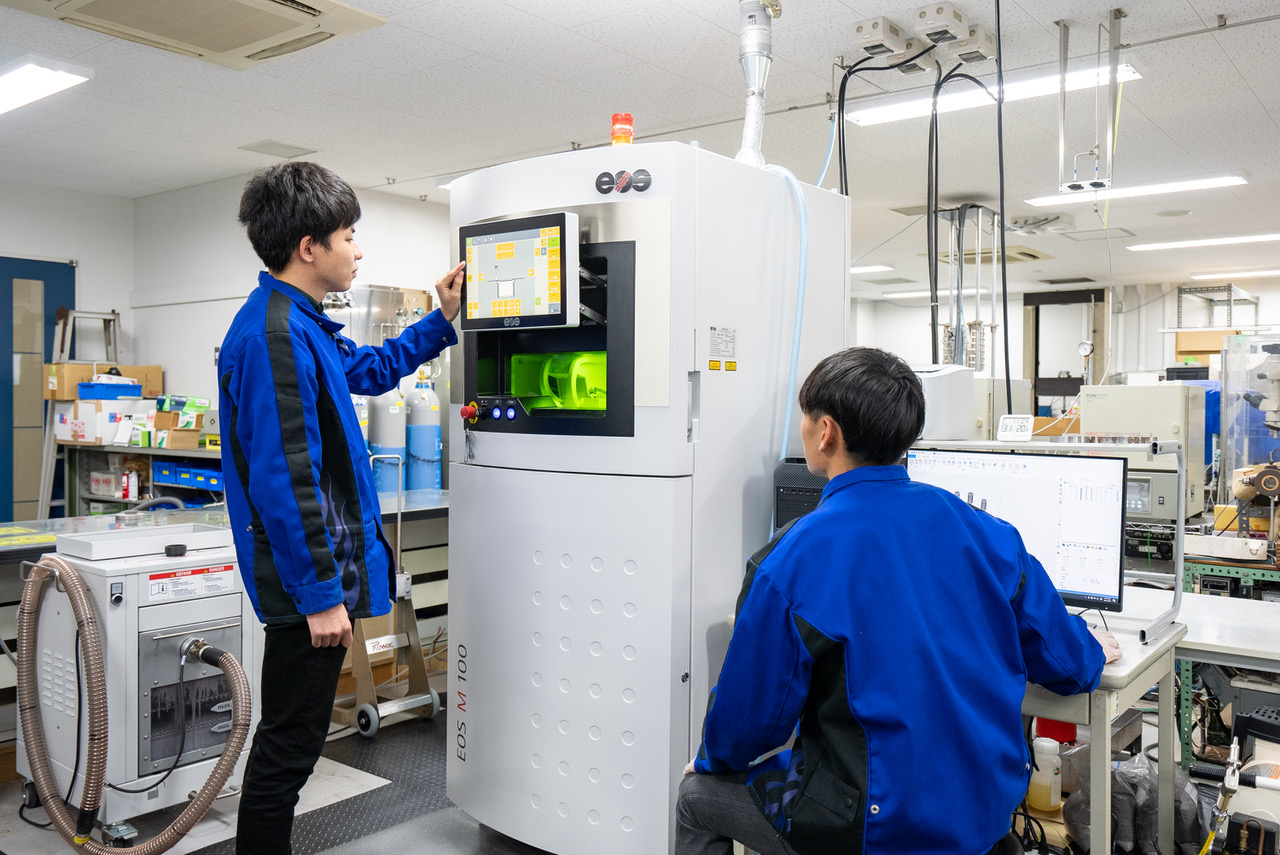
What Do You Learn?
At the Department of Materials, students explore the fascinating science and technology behind materials that power our modern world—think smartphones, cars, buildings, and batteries. Materials engineering forms the backbone of manufacturing, blending physics and chemistry to transform raw materials into incredible new substances, enhance their strength and performance, and develop exciting new functions. With a proud history, our department has earned its reputation as one of Japan’s top centers for materials science. Students can dive into three exciting main areas of study:
First, ‘the science of making,’ where they learn how to extract metals from ores and scrap, refine them, and recycle materials in eco-friendly ways. Through thermodynamics and electrochemistry, students explore sustainable metal production and resource-circulation techniques. They’ll explore processes like electrolytic refining and molten salts, which play a vital role in promoting societal sustainability.
Next, students investigate the microscopic structures that influence a material’s strength and durability. They learn how to design performance through heat treatment and processing—making steel stronger and safer, observing crystal growth for developing new metals, and supporting essential industries like transportation, construction, and energy.
The third area opens up the world of ‘functional materials’—materials that can conduct electricity, turn heat into electricity, or block magnetic fields. Topics range from developing advanced battery materials and energy solutions to researching superconductors with thin-film technology. Many of these themes are directly linked to cutting-edge future technologies.
Recently, exciting progress has been made using computational science and machine learning to discover new materials.
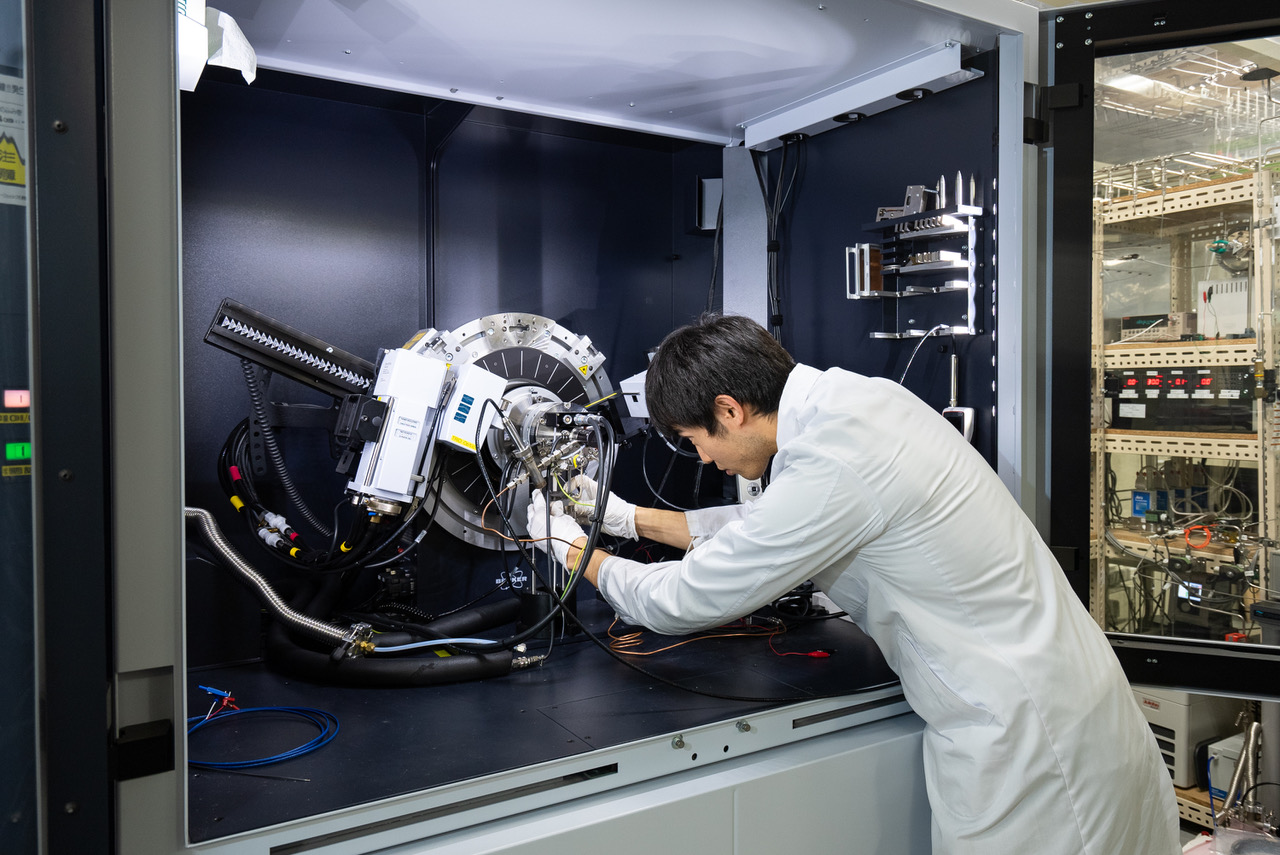
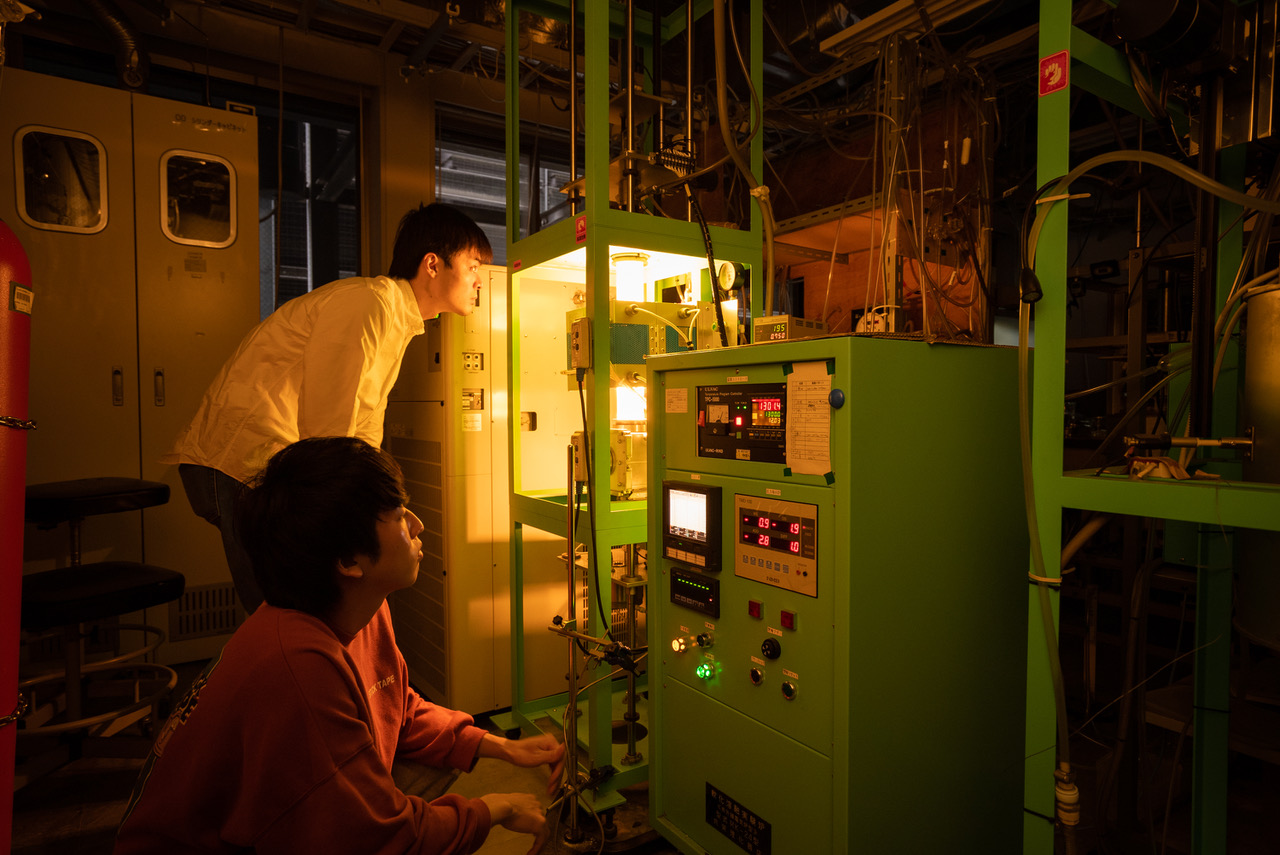
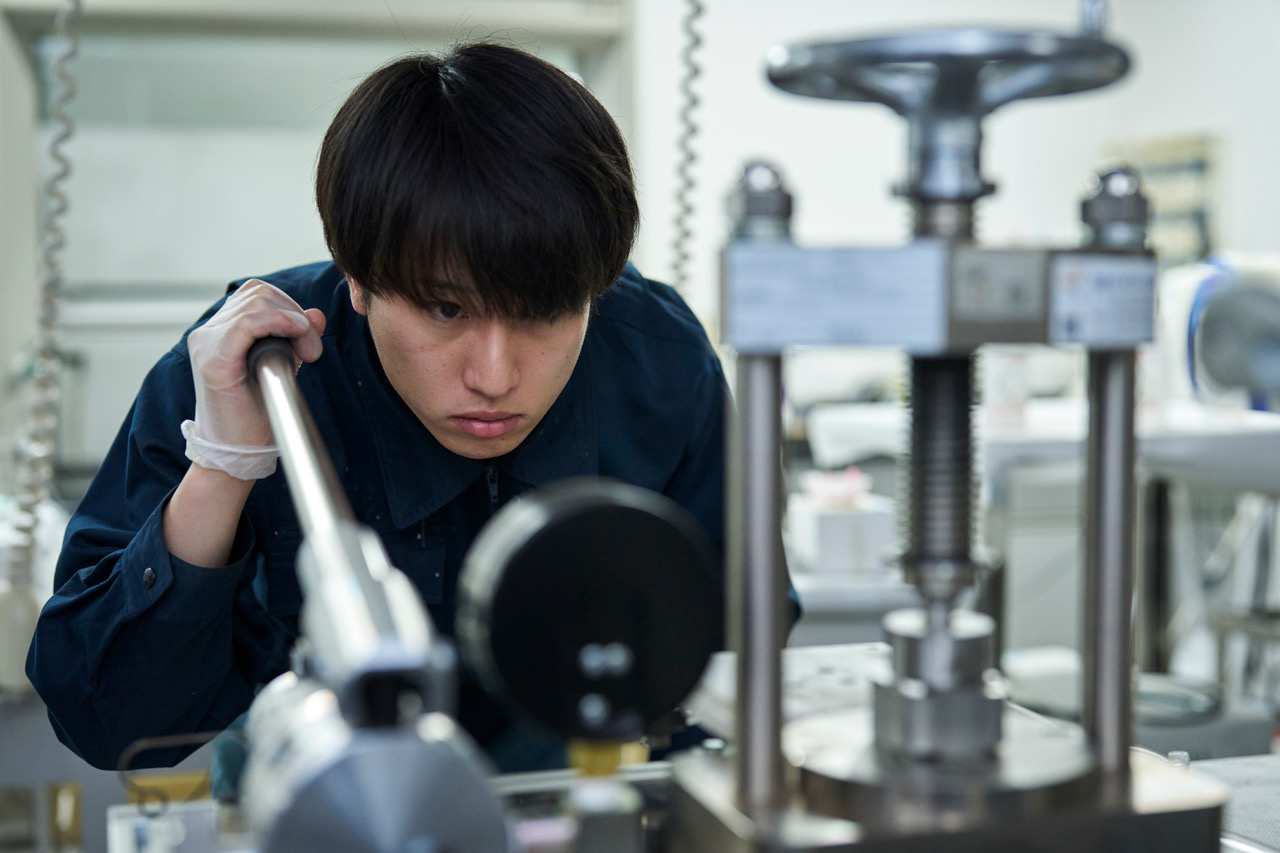
Starting in the second year, students gain hands-on experience through experiments such as metal melting and casting, microstructure analysis, and electrochemical measurements, giving them a real feel for material creation. In their third year, they deepen their specialization, and by the fourth year, they join research laboratories to work on graduation projects. All details about the curriculum and experimental schedules are available on our official website.
Transforming materials is key to shaping society’s future. As we face growing demands for new materials across the energy, mobility, information, and environmental sectors, the Department of Materials at Kyushu University nurtures future innovators. Why not experience the thrill of creating new materials yourself and help build a better tomorrow?
Introduction Movie
Voices of Seniors
Department Policy
-
Educational Philosophy and Aims
In keeping with this view of engineering’s responsibility to society as a whole, the Kyushu School of Engineering programs include both compulsory and elective courses which strive to educate our engineers to become leaders in their fields. Our students are expected to acquire the following during their four-year program:
- Basic knowledge of mathematics and natural science necessary to be a technician in each area of expertise
- A desire to continue lifelong studies, and to keep pace with future changes in each area of expertise
- Management skills as a technical leader in each area of expertise
- Ability to implement science and technology while considering the effects on the economy, society, and the environment
- Ability to understand the role of technology and realize an engineer’s responsibilities to society
- Communication and presentation skills in Japanese and other languages
- Ability to comprehend and respect other people’s opinions and ideas, and to communicate own ideas and opinions
- Wide point of view to realize the multiplicity of cultures and understand and respect other people’s beliefs and ideas
- Wide knowledge of human nature and society, the global environment, and technology
- Basic physical strength necessary to act as an engineer or researcher
Engineering and technology will continue to assume an increasingly greater role in the world. It is our hope that our students will gain a wide range of knowledge and skills in becoming engineers who proudly carry the responsibility and commitment of working towards the betterment of society.