About the Research
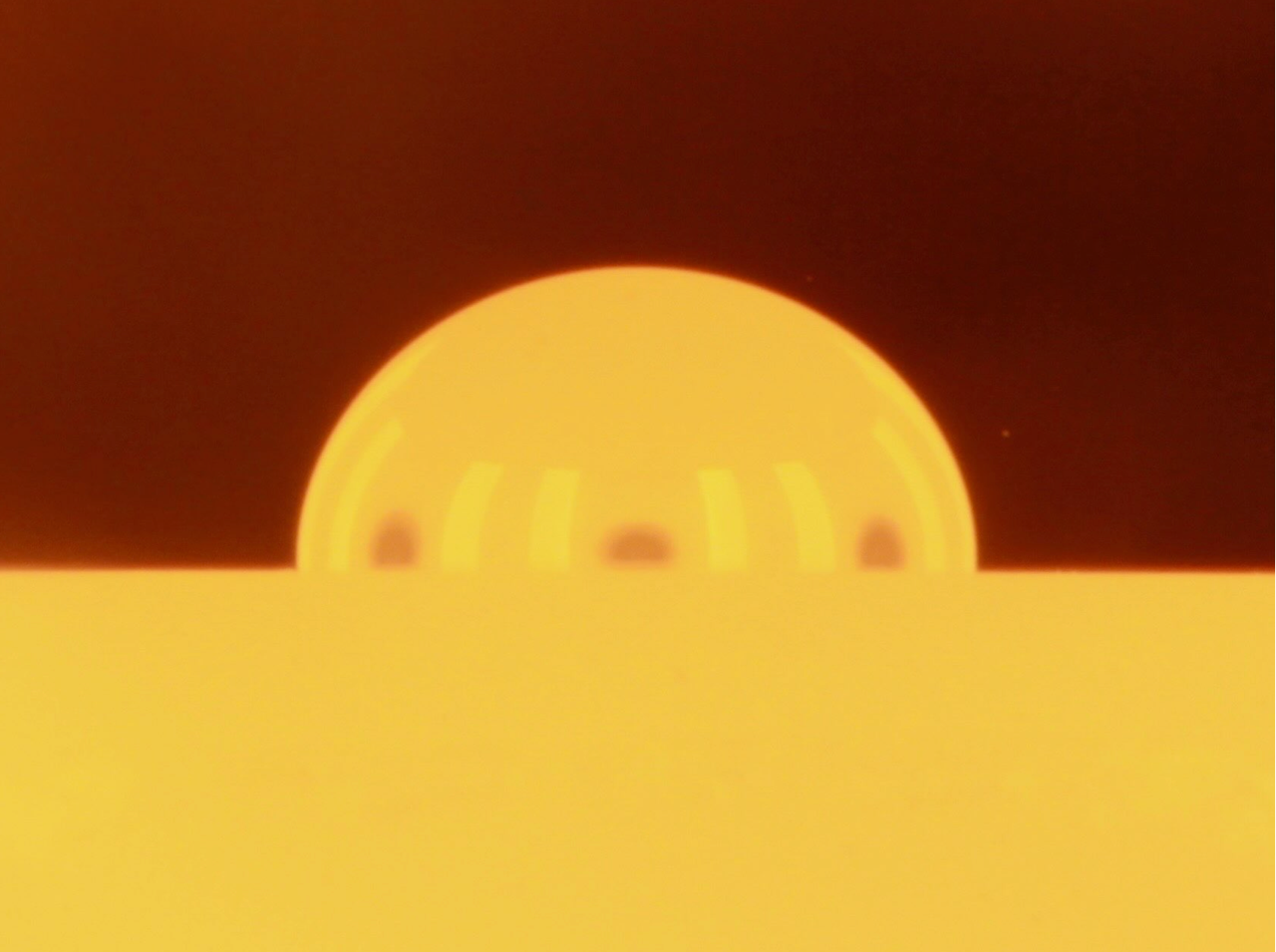
Materials like metals and glasses, which are essential to our daily lives, are made through a fascinating process in which they are melted down to a viscous state and then cooled into solid form. Since we can’t see inside these high-temperature melts with the naked eye, it’s tricky to understand how they mix and solidify. That’s why I’m excited to be working on innovative research that makes the invisible visible by visualizing the inside of materials in three dimensions using electricity flow. This approach helps us understand how particles move and are distributed within the melted material, leading to more efficient steelmaking and glass production. Plus, it plays a crucial role in advancing techniques for safely encapsulating high-level radioactive waste in glass, helping ensure a safer future.
A Message from Professor
There’s so much to uncover in the fascinating world of high-temperature molten materials, and each mystery you explore brings a new sense of wonder. Research is truly exciting because verifying questions firsthand can lead to amazing discoveries. Materials engineering plays a vital role in shaping all the technologies that help our future—whether it’s energy, the environment, mobility, or even space exploration. That small question of ‘why?’ can spark new scientific ideas and help make society a better place. If you’re curious about exploring the unknown, taking that first step into university is a wonderful start. An exciting, unseen world is waiting for you to discover!
Profile
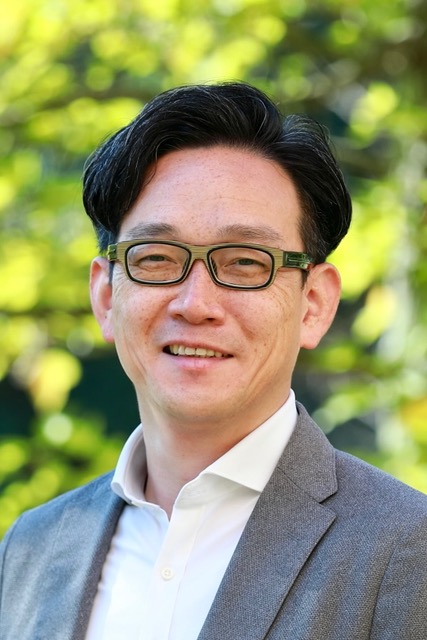
Professor Noritaka SAITO
With a Ph.D. in Material Process Engineering from the Graduate School of Engineering, Kyushu University, I had the opportunity to serve as a Research Fellow (PD) at the Japan Society for the Promotion of Science and to work as a researcher at UC Berkeley in the United States. I’ve been fortunate to hold roles as a lecturer and associate professor at Kyushu University, and I’ve been enjoying my current position since 2025.