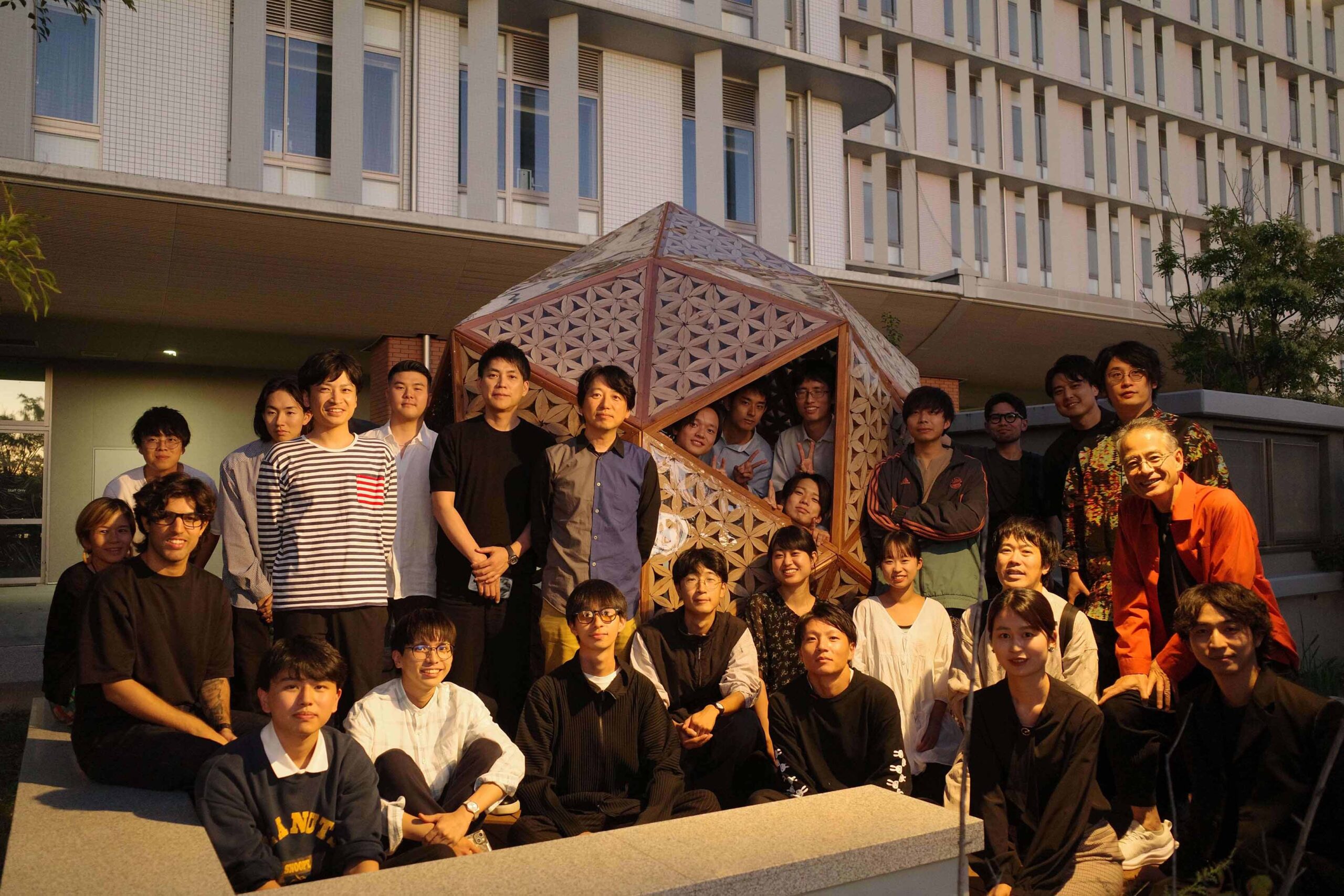
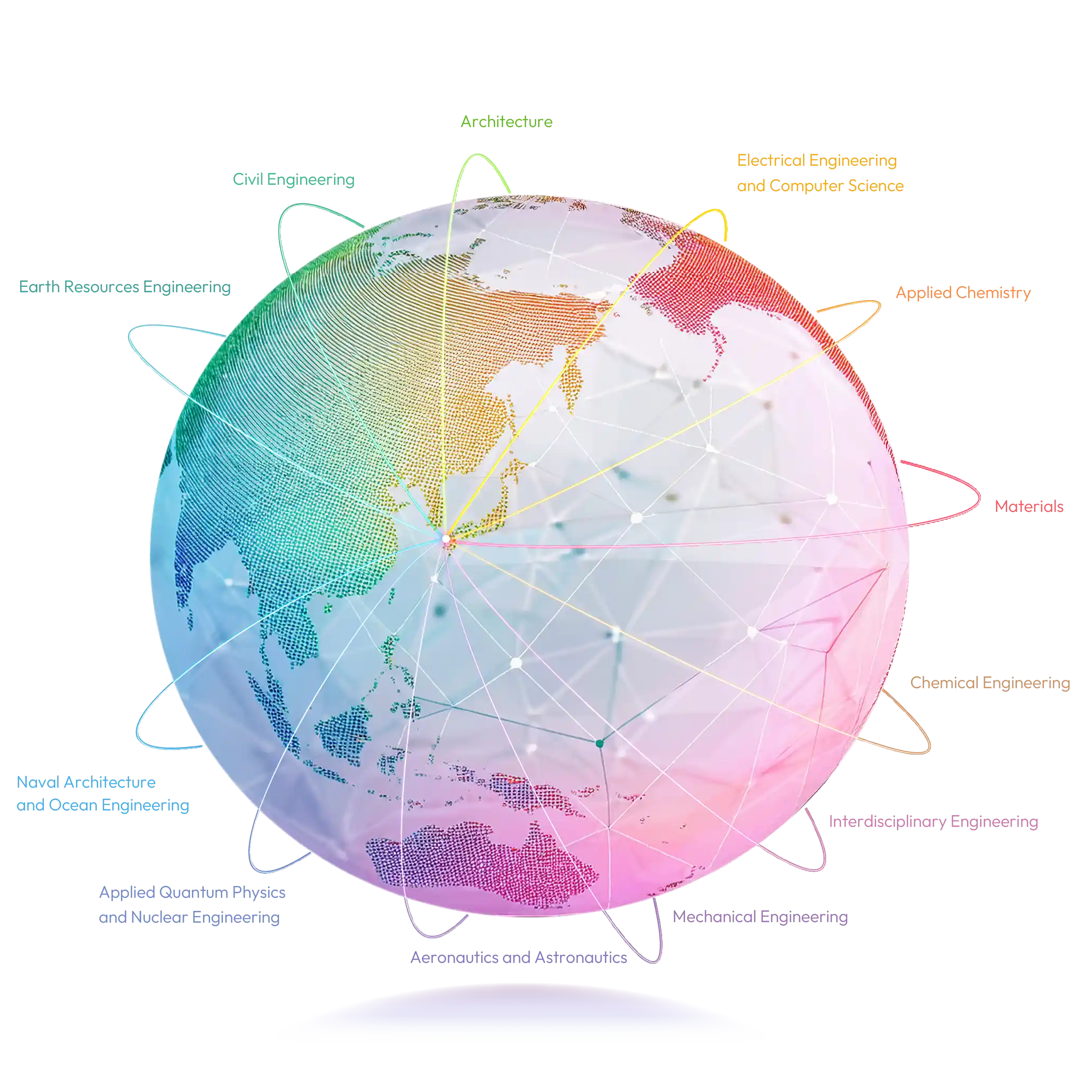
Established in 2021, BeCAT advances the social implementation of initiatives that integrate design and engineering. Led by practicing architects who are active internationally, the platform brings together faculty specializing in environmental and structural simulation, urban planning, and other related fields, as well as local architects. BeCAT functions as an experimental platform that leverages the university’s academic expertise.
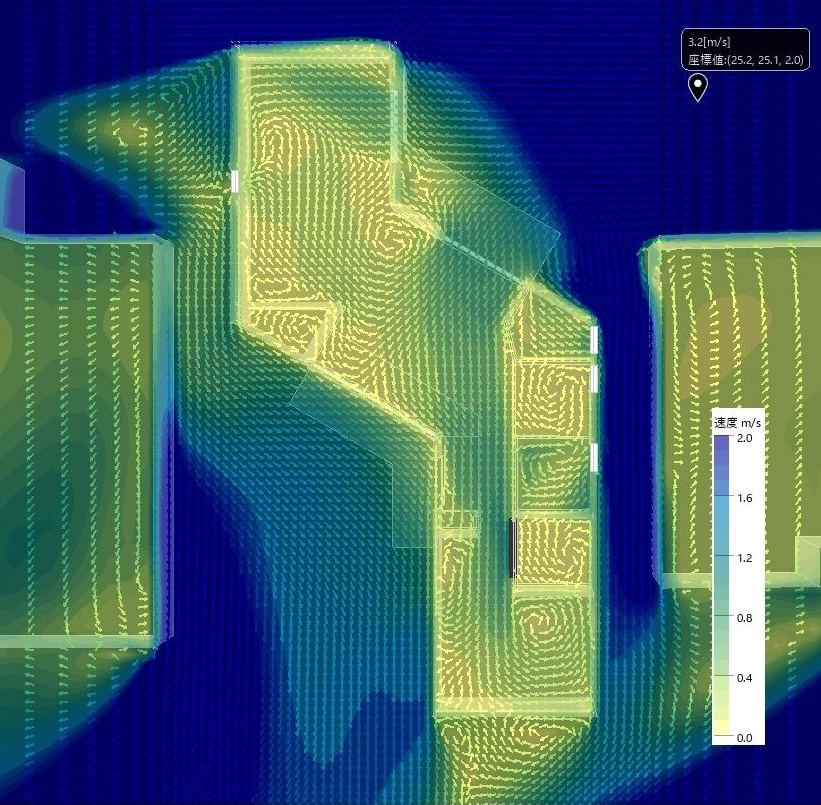
A distinctive feature of BeCAT is its end-to-end process: starting from local and corporate challenges—such as resource circulation, the reuse of waste and by-products, vacant houses and renovation, environmentally conscious architecture, and solar-thermal utilization—the activities encompass simulation and environmental analysis, design, implementation, and post-completion measurement and verification. In its social implementation efforts, BeCAT prioritizes experimental approaches that are often difficult for individual companies to pursue, aiming to connect social issues with the outcomes of university research.
Concrete examples include the development and implementation of oyster-shell blocks addressing oyster-shell disposal issues in the Itoshima area; energy-saving salt production systems using solar heat along with the design of symbolic structures; the creation of communal spaces in temporary housing areas affected by the Turkey–Syria earthquakes; and the design, construction, and post-occupancy performance evaluation of a detached house based on environmental analysis. In the BeCAT Program for master’s students, participants pursue such projects in parallel with their academic theses. BeCAT has also organized public lecture series and international workshops.
Through these activities, BeCAT has accumulated knowledge about the unique characteristics of the Itoshima region, expanded outreach-driven inquiries and human networks, and developed the capacity to address a wide range of themes—from resource circulation to vacant-house utilization and community development. The program continues to explore pathways toward a sustainable society through project-based engagement.